Working From a Van: The Remote Setup That Actually Survived
Three weeks on the road with a laptop, a hotspot, and a lot of optimism. The gear that earned its place, the gear I sent home, and the one cable I'll never travel without.
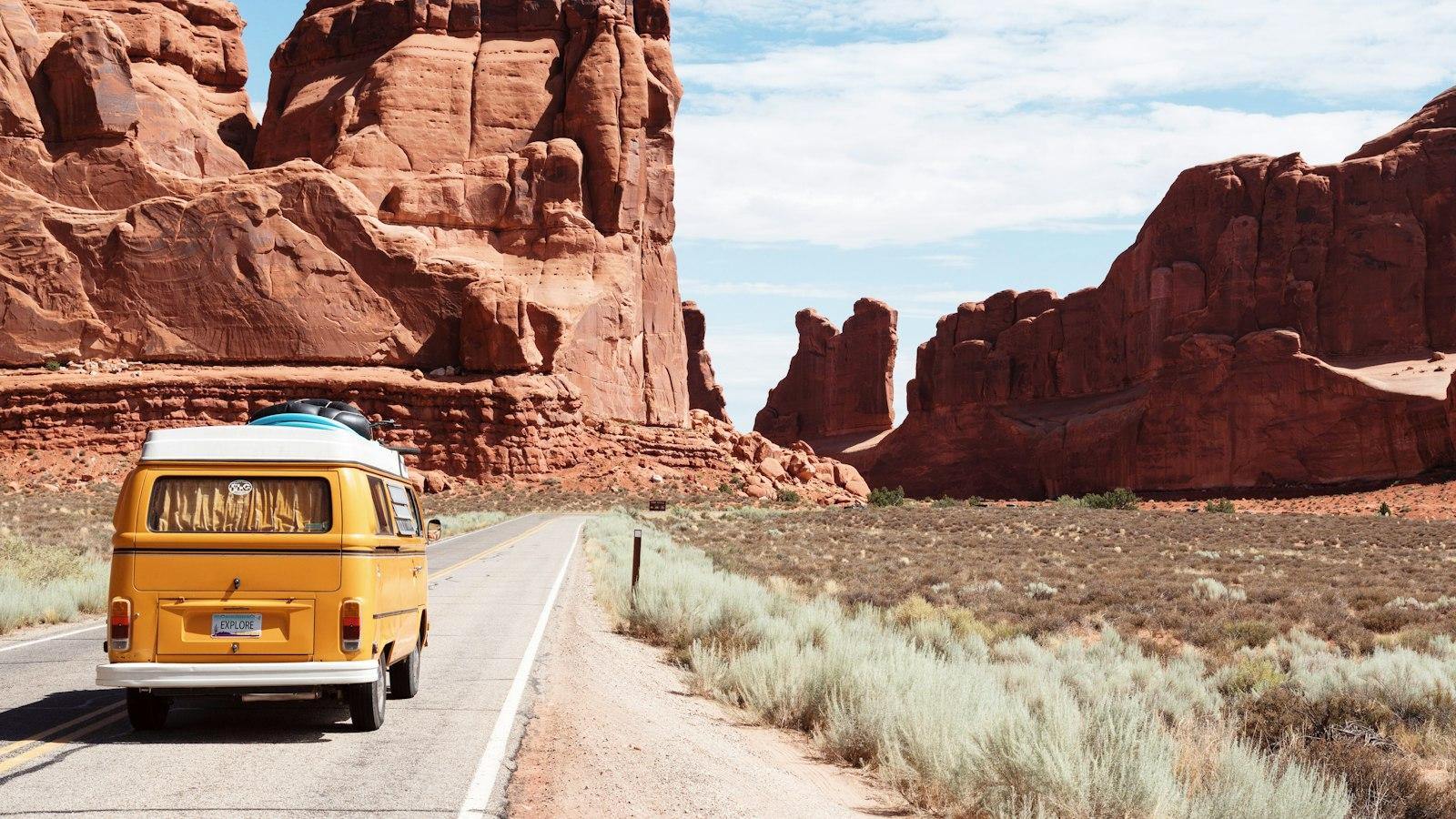
I spent three weeks this summer working out of a borrowed camper van, driving through desert towns with names I couldn't pronounce and Wi-Fi I couldn't rely on. It was beautiful, chaotic, and a genuinely useful stress test for my remote work setup.
Here's what survived and what didn't.
Power is the whole game
In a café, you think about Wi-Fi. In a van, you think about power. Every decision flows from one question: how many watt-hours do I have, and what's eating them?
What worked:
- A 1,000 Wh portable power station. Charged off the van's alternator while driving and a folding solar panel while parked. It ran my laptop, phone, and hotspot for a full workday with power to spare.
- USB-C everything. Laptop, phone, headphones, hotspot, camera. One kind of cable means fewer things to lose under the seats.
- A low-power mindset. I dimmed the screen, closed browser tabs I wasn't using, and turned off the background sync apps that I'd never noticed were running constantly.
What didn't: a tiny inverter I'd bought "just in case." It whined, got hot, and wasted about 15% of every charge converting DC to AC so my laptop brick could convert it right back.
Connectivity: plan for zero
I carried two SIM cards from different networks plus a hotspot. On a good day, I had 4G and could join video calls. On a bad day, I had one bar that came and went with the wind.
The single most useful habit I built: assume you'll be offline, and be pleasantly surprised when you're not.
- Draft everything locally. Writing apps that sync when they can, not apps that need a connection to open.
- Download docs, maps, and podcasts the night before.
- Batch online tasks. When I hit a town with good signal, I'd push code, send emails, and upload photos in one focused hour.
It turns out this is just a better way to work, full stop. My most productive mornings were in places with no signal at all.
The desk problem
Van "desks" are mostly a fold-down table at the wrong height. After two days of neck pain, I bought:
- A lightweight laptop stand
- A compact Bluetooth keyboard
- A cheap folding camp chair with a back
Total cost was less than a nice dinner, and it turned the van from "temporary workspace" into "actual office." If you take one thing from this post: ergonomics are not a luxury on the road. You'll be working for weeks, not hours.
What I sent home
- A second monitor. Portable monitors are great in an apartment. In a van, it was one more thing to power, mount, and protect from dust.
- A mechanical keyboard. I love it. It weighed as much as my laptop.
- Three different note-taking notebooks. I used one.
The cable I'll never travel without
A short, braided, 100W USB-C to USB-C cable. It charges the laptop off the power station, transfers files from the camera, and once, memorably, charged a stranger's phone at a gas station in exchange for directions to the best taco stand in the state.
That's the thing about life on the road. The gear matters less than you think — but the right small things make everything else possible.
Keep reading

A Month of Coworking Across Three Cities: What Actually Matters
I worked from coworking spaces in three very different cities over a month. Forget the rooftop pools — here's what genuinely made me productive, and what was just marketing.
Self-Hosting on a $5 Server: A Practical Weekend Guide
You don't need a homelab or a cloud bill to run your own tools. Here's how I set up a tiny, secure server for side projects — and the mistakes I made so you don't have to.
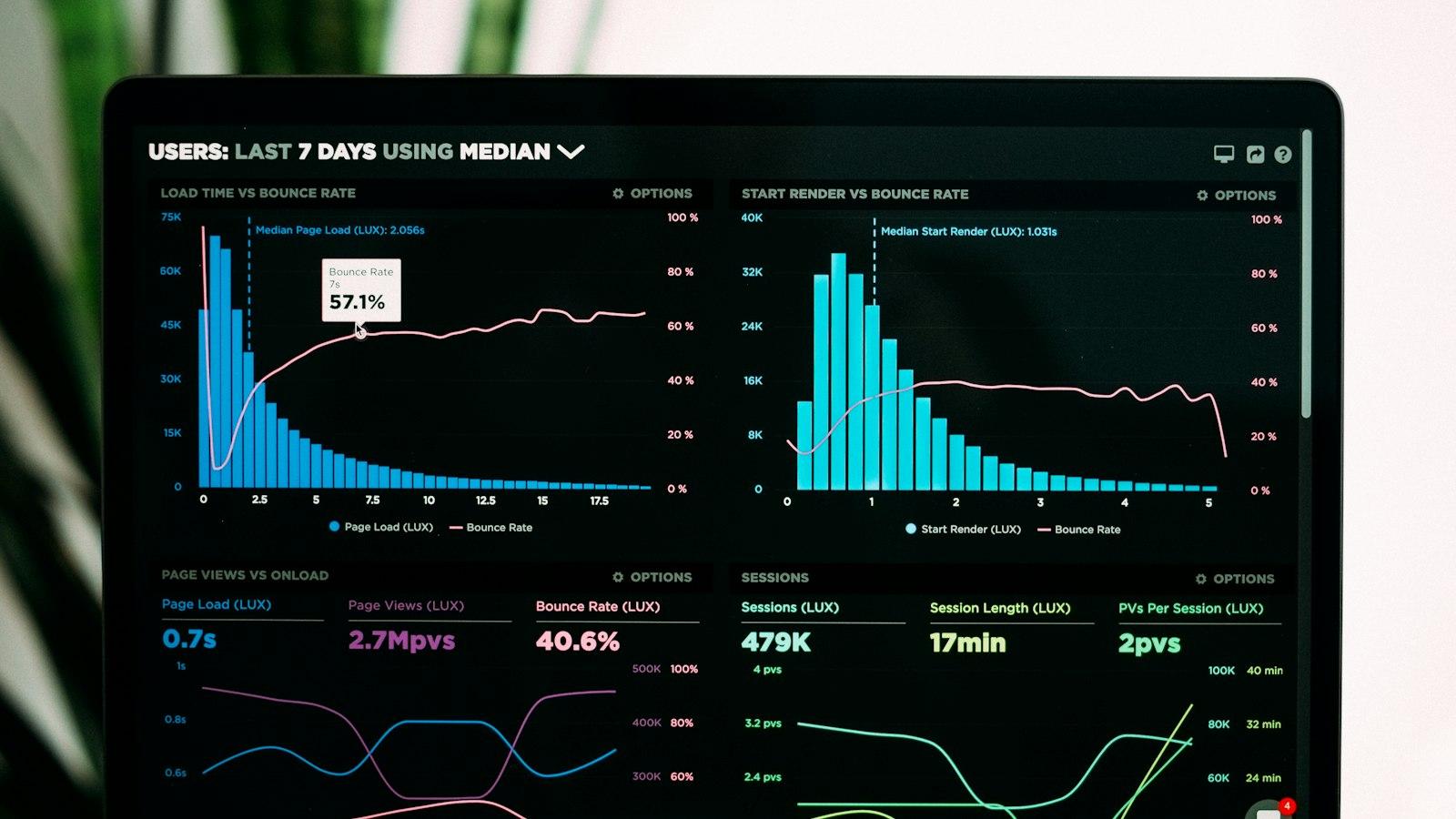
I Tracked Every Website I Visited for 30 Days
A month of browsing history, analyzed. Where my time actually went, the surprising number of sites I visit only once, and the three changes I made afterward.