I Tracked Every Website I Visited for 30 Days
A month of browsing history, analyzed. Where my time actually went, the surprising number of sites I visit only once, and the three changes I made afterward.
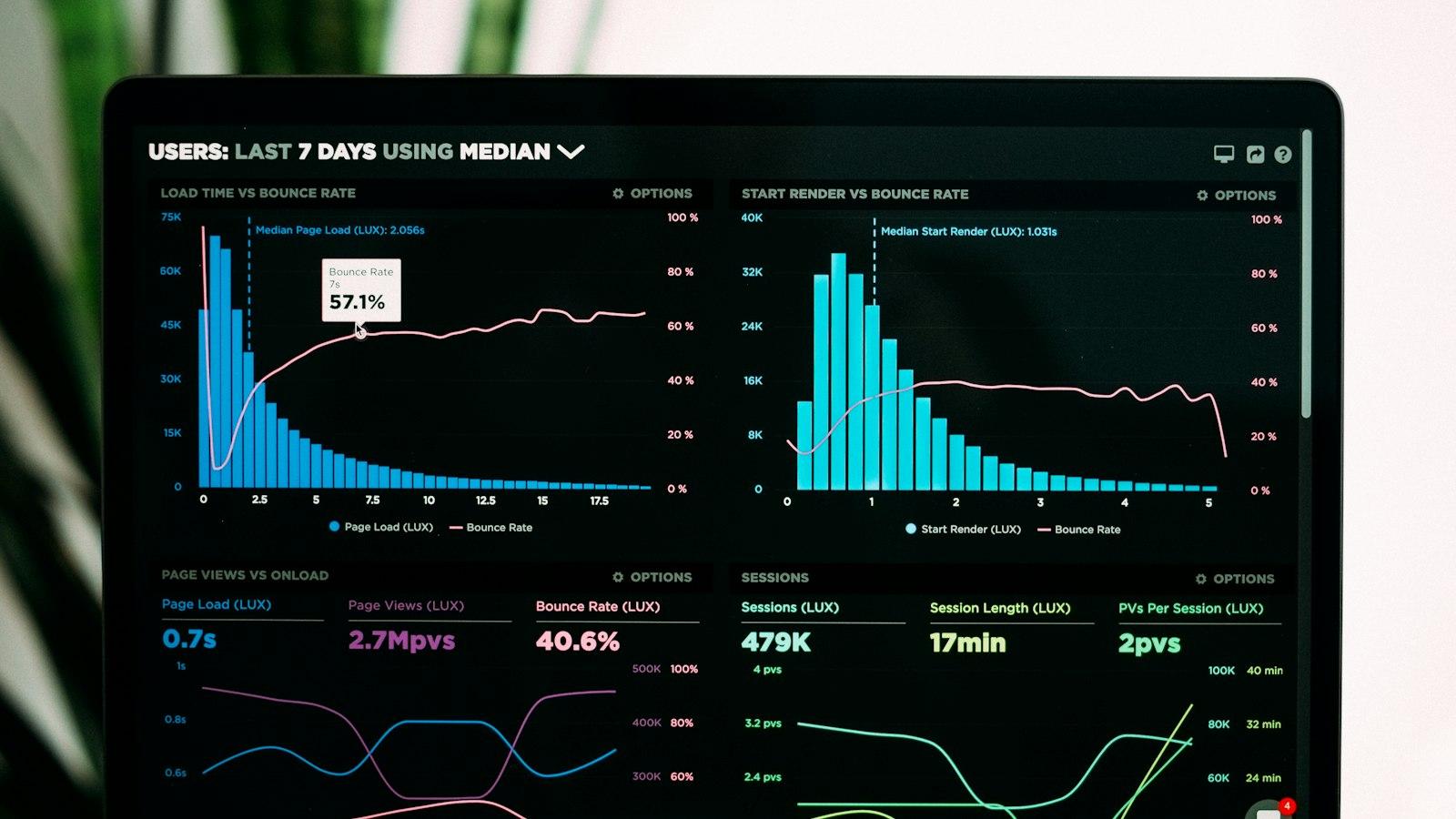
I've always been curious about how I actually use the internet, as opposed to how I think I use it. So for 30 days, I logged every website I visited — locally, on my own machine, with nothing sent anywhere — and then sat down to look at the data.
It was humbling.
How I collected it
Nothing fancy. I exported my browser history at the end of the month, cleaned it up with a small script, and grouped visits by domain. I counted a "visit" as any page load, and estimated time using the gaps between page loads (capped, so leaving a tab open overnight didn't count as eight hours of reading).
It's not scientific. But it's honest, and it's mine.
The headline numbers
- About 9,400 page loads in 30 days
- Around 1,100 unique domains
- Roughly 70% of domains were visited exactly once
- Just 12 domains accounted for more than half of my total time
That last one stuck with me. The internet feels infinite, but my attention lives in a very small neighborhood.
Where my time went
Roughly, by category:
| Category | Share of time |
|---|---|
| Work tools (docs, code, email) | 38% |
| Reading (articles, blogs, docs) | 21% |
| Social feeds | 17% |
| Video | 11% |
| Search | 7% |
| Everything else | 6% |
Seventeen percent on social feeds was higher than I'd have guessed. Most of it came in short bursts — a minute here, three minutes there — that added up to almost an hour a day.
The surprises
Search was a launchpad, not a destination. I searched constantly, but rarely spent more than a few seconds on the results page. I'd hit the first plausible link and go.
Personal blogs punched above their weight. They were a tiny fraction of visits but a big share of long reading sessions. When I landed on a good personal site, I stayed.
The one-visit web is huge. Hundreds of sites I visited once and never again: a recipe, a manual, a random answer to a random question. The long tail of the web is real, and it's useful, even if we rarely notice it.
Three changes I made
- I moved social feeds off my laptop. Not deleted, just made less convenient. Removing the bookmark and logging out cut my time there by more than half in the following week.
- I set up an RSS reader for the personal sites I'd discovered, so I visit them on purpose instead of hoping they show up in a feed. (I wrote more about this in The Small Web.)
- I started a "read later" habit. Instead of opening a new tab mid-task, I save the link and read it during a dedicated hour. Fewer context switches, better reading.
Try it yourself
If you're curious, export your own browser history and just look at it. You don't need charts. Scrolling through a month of your own internet is revealing enough.
The goal isn't guilt. It's awareness. Once you can see where your attention actually goes, it gets much easier to decide where you want it to go instead.
Keep reading

The Small Web: Why I'm Bookmarking Personal Websites Again
Social feeds made the internet feel smaller and louder. Personal websites feel like the opposite. A love letter to the indie web, and how to find the good parts of it.
Self-Hosting on a $5 Server: A Practical Weekend Guide
You don't need a homelab or a cloud bill to run your own tools. Here's how I set up a tiny, secure server for side projects — and the mistakes I made so you don't have to.

A Month of Coworking Across Three Cities: What Actually Matters
I worked from coworking spaces in three very different cities over a month. Forget the rooftop pools — here's what genuinely made me productive, and what was just marketing.